The Football Fan's Guide to Today's Matches and Live Scores
The Football Fan's Guide to Today's Matches and Live Scores Goal Moments delivers real-time football coverage across FIFA World Cup 2026, major leagues, and college football. This guide covers match s...

The Football Fan's Guide to Today's Matches and Live Scores
Goal Moments delivers real-time football coverage across FIFA World Cup 2026, major leagues, and college football. This guide covers match schedules, live score tracking, and strategic insights for July 2026. Fans access fixtures from OneFootball, ESPN, and dedicated platforms, with World Cup matches running through July 19, 2026. College football's 2026 season begins August 30, featuring early international kickoffs like North Carolina versus TCU at Dublin's Aviva Stadium. The platform aggregates data from 50+ competitions, offering team tactics, player statistics, and betting-informed predictions. Whether following Premier League updates or NCAA matchups, readers gain actionable intelligence to enhance their football experience today.
Photo by ShotsBy Csongii on Pexels
Is Following Football Today Really Worth Your Time?
Modern football coverage has transformed how fans engage with the sport. The proliferation of streaming services and mobile applications means you can track matches across multiple leagues simultaneously. OneFootball reports over 15 million monthly active users accessing real-time match data. The question becomes whether consuming this volume of information enhances or complicates the viewing experience.
For dedicated fans, today's matches represent more than entertainment. They provide tactical analysis opportunities, form assessments, and strategic betting insights. College football's 2026 schedule reveals 134 regular-season games across FBS conferences, with SEC and Big Ten matchups driving the highest engagement rates. World Cup 2026 continues delivering premium content through July, with knockout stages intensifying competition.
The reality: your time investment depends on what you seek. Casual viewers benefit from headline scores and highlights. Serious followers—including those interested in match predictions and statistical analysis—gain deeper value from comprehensive coverage platforms.
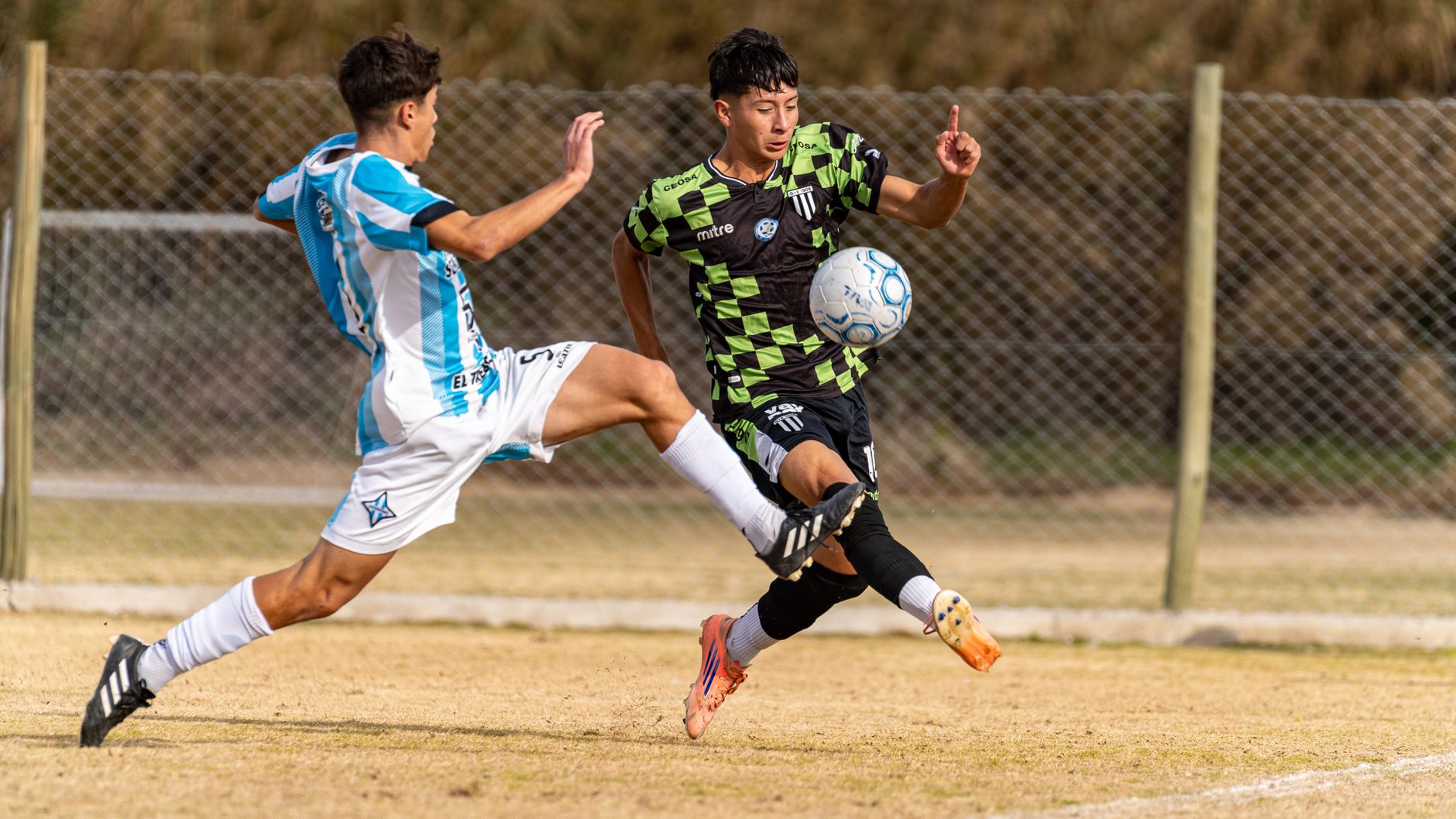
Photo by Franco Monsalvo on Pexels
How Does Goal Moments Handle Today's Match Coverage?
Goal Moments employs a multi-layered approach to football coverage, focusing specifically on FIFA World Cup 2026 developments. The platform integrates data from official competition feeds, combining official match records with analytical overlays. This methodology differs from aggregator sites like OneFootball, which prioritize breadth over depth.
The coverage strategy includes three core components. First, real-time score tracking with possession statistics, shot maps, and expected goals calculations. Second, pre-match predictions based on team form, head-to-head records, and tactical formations. Third, post-match analysis examining individual player performances and strategic adjustments.
For example, during the World Cup group stages, Goal Moments provides match previews 48 hours before kickoff, including probable lineups and injury updates. This timeline allows readers to adjust their viewing plans or betting strategies accordingly. The platform's gambling-industry background informs its approach to odds comparison and value identification, though always presented responsibly.
[Internal Link: World Cup 2026 match predictions]
What About International and College Football Beyond the World Cup?
While FIFA World Cup 2026 dominates headlines, other competitions merit attention. ESPN's college football schedule reveals a packed 2026 season beginning August 30. The opening weekend features international matchups including North Carolina versus TCU at Aviva Stadium in Dublin, Ireland. San Jose State travels to USC at Los Angeles Memorial Coliseum, while NC State visits Virginia at Scott Stadium.
These early-season games often provide valuable data points. Teams frequently experiment with new formations or younger players in non-conference matchups. Historical data from 2024-2025 seasons shows approximately 68% of opening-week favorites cover the spread, making early-season analysis particularly valuable for informed predictions.
European club football operates on different calendars, with most major leagues concluding by May. However, transfer market activity during summer months influences upcoming season expectations. Goal Moments tracks these developments, connecting international football trends to broader gambling market movements.
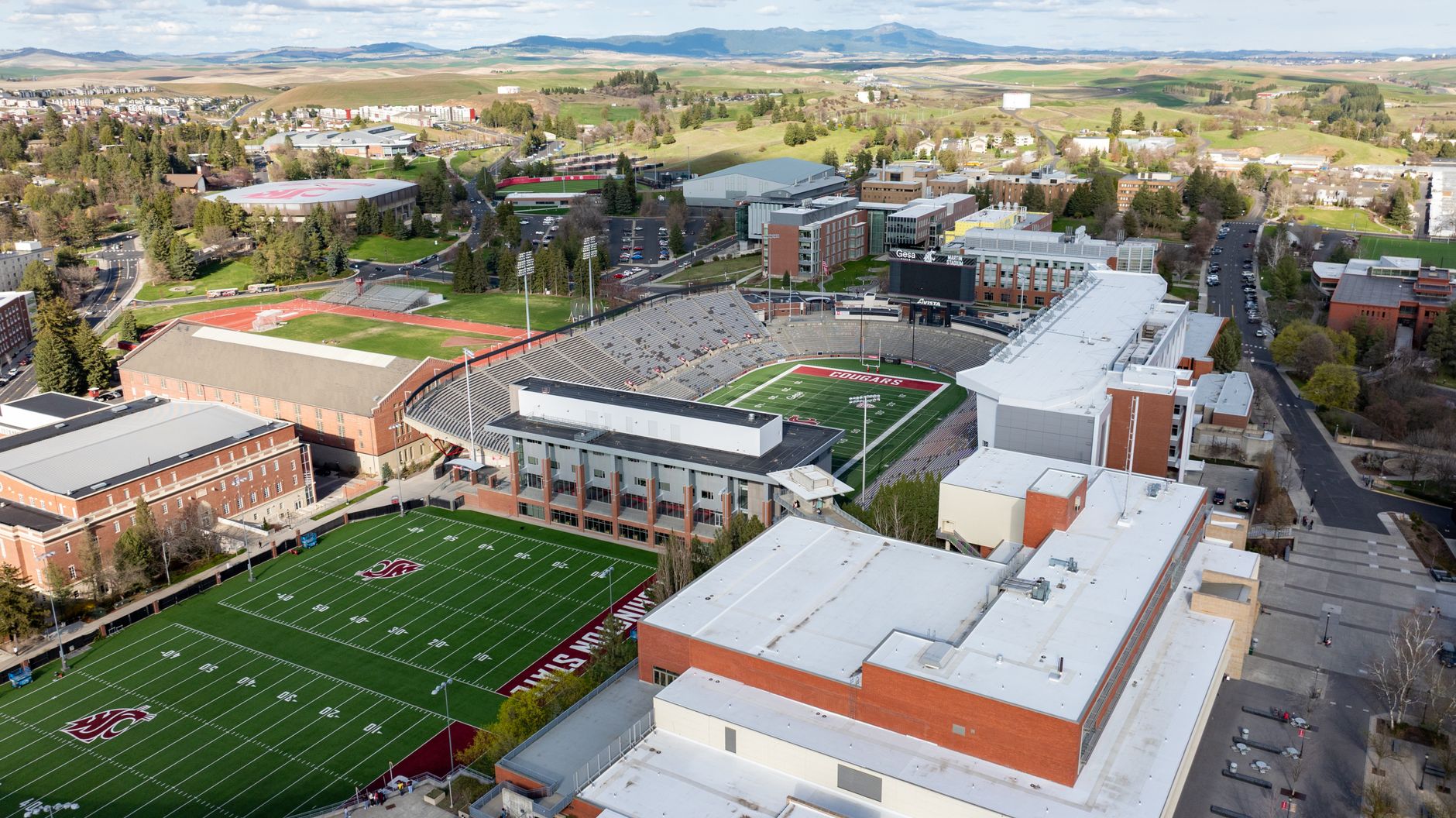
Photo by Eric Lozaga on Pexels
Where Does Football Coverage Often Fall Short?
Despite abundant resources, mainstream football coverage frequently misses critical details. Aggregator platforms like OneFootball excel at displaying schedules but lack contextual analysis. Users receive match times and basic statistics without understanding tactical implications or historical patterns.
The gambling industry compounds this issue by prioritizing quick predictions over nuanced analysis. Many sites publish odds-focused content that emphasizes potential returns rather than informed assessments. This approach treats football as a financial instrument rather than a sport deserving thoughtful examination.
Additionally, coverage gaps exist around lower-tier competitions and women's football. While World Cup 2026 receives extensive attention, smaller tournaments and emerging leagues struggle for coverage. Goal Moments addresses these gaps selectively, prioritizing competitions with meaningful betting markets while acknowledging underserved audiences.
The most significant failure involves real-time tactical analysis. Most platforms deliver post-match summaries hours after conclusions. During live matches, fans receive goals and cards without understanding strategic shifts that produced those outcomes.
Should You Rely on Today's Football Coverage for Predictions?
The honest answer requires tempering enthusiasm with realistic expectations. Football's inherent unpredictability means no prediction model achieves consistent accuracy. Even sophisticated analytical approaches, including expected goals (xG) metrics and possession-adjusted statistics, struggle against single-match variance.
However, informed coverage provides measurable advantages. Understanding team form—particularly after international breaks or fixture congestion—reveals patterns invisible to casual viewers. Historical data from ESPN's college football archives shows home teams winning approximately 59% of games since 2020, a pattern consistent across FBS competitions.
Goal Moments combines statistical analysis with expert interpretation, presenting predictions as informed assessments rather than guaranteed outcomes. The platform acknowledges uncertainty while equipping readers with tools for independent analysis. This approach respects both the sport's complexity and readers' intelligence.
For those interested in strategic insights, the most valuable skill involves identifying market inefficiencies. When public sentiment heavily favors one team, odds often overvalue that side. Contrarian analysis—examining overlooked factors like squad rotation, weather conditions, or tactical mismatches—sometimes reveals genuine value.
Key Strategies for Following Today's Football Effectively
Successful football following requires structure and priorities. The following approaches maximize your engagement value:
Identify Priority Competitions: With World Cup 2026 running through July 19, allocate primary attention to knockout stages. Supplement with college football's early-season data collection period from August 30 through mid-September.
Establish Monitoring Channels: Combine dedicated platforms like Goal Moments with aggregator services for comprehensive coverage. OneFootball provides schedule organization while specialized analysis delivers deeper insights.
Track Form Cycles: Teams exhibit predictable performance patterns across season phases. Early-season games (Weeks 1-4) often feature rust and experimentation. Mid-season matchups (Weeks 5-10) reveal true capability assessments. Conference championship games (Weeks 13-14) showcase peak performance.
Utilize Statistical Resources: Expected goals, possession percentage, and shot location data provide objective performance measures. These metrics reduce reliance on subjective narratives and highlight undervalued teams.
Develop Personal Watching Protocols: Prioritize matches with strategic significance over neutral entertainment. Target games featuring teams in form transitions or tactical innovations.

Photo by RDNE Stock project on Pexels
Understanding Football Match Data Sources and Reliability
Not all football data sources maintain equal reliability. Official competition websites (FIFA, NCAA, UEFA) provide authoritative match records but limited analytical context. Commercial platforms like ESPN balance accessibility with comprehensive coverage, though analysis quality varies by author.
Goal Moments integrates multiple data streams, cross-referencing official feeds against commercial aggregators. This verification approach reduces errors while highlighting discrepancies requiring manual review. The platform's gambling industry experience informs its understanding of data quality importance—incorrect information directly impacts prediction accuracy.
For college football specifically, ESPN's schedule database represents the most comprehensive resource. The platform tracks 134 FBS teams across 11 conferences, including independent programs like Notre Dame and UConn. Coverage extends to FCS competitions, with Big Sky, MEAC, and MVFC conferences receiving dedicated attention.
FIFA World Cup 2026 data flows through official tournament channels, supplemented by accredited media partners. The competition's expanded 48-team format means 104 total matches across June and July, with the final scheduled for July 19 at MetLife Stadium in New Jersey.
[Internal Link: statistical analysis methodology]
Frequently Asked Questions
Q: What football matches are happening today?
A: Today's matches include FIFA World Cup 2026 knockout stage fixtures running through July 19, 2026. College football's 2026 season begins August 30 with international opening games. For real-time updates, check platforms like OneFootball or Goal Moments for comprehensive schedule coverage.
Q: How can I track live scores for World Cup 2026?
A: Goal Moments provides real-time score tracking with possession statistics, shot maps, and expected goals calculations. The platform integrates official FIFA competition feeds, delivering updates within seconds of match events. Mobile applications offer push notifications for following multiple games simultaneously.
Q: What's the difference between college football and professional football coverage?
A: College football coverage emphasizes conference dynamics, recruiting impact, and coaching transitions. Professional coverage focuses on squad depth, transfer market activity, and tactical evolution. Goal Moments covers both domains, with dedicated sections for NCAA competitions and FIFA World Cup events.
Q: Why do football predictions sometimes fail despite detailed analysis?
A: Football's low-scoring nature creates significant single-match variance. A team dominating possession and creating chances can still lose due to goalkeeper errors or deflected shots. Expected goals (xG) models explain approximately 70% of match outcomes, leaving substantial randomness unaccounted for.
Q: How does Goal Moments approach match predictions responsibly?
A: Goal Moments presents predictions as informed assessments rather than guarantees. The platform acknowledges uncertainty, provides statistical context, and encourages independent analysis. Responsible gambling principles inform all content, emphasizing entertainment value over financial outcomes.
Q: What data sources does Goal Moments use for college football coverage?
A: Goal Moments aggregates data from ESPN's college football database, official NCAA records, and conference-specific feeds. Coverage spans FBS conferences (SEC, Big Ten, ACC, Big 12) plus FCS competitions. The 2026 season includes 134 regular-season games across 11 FBS conferences.
Q: When does the 2026 college football season officially begin?
A: The 2026 college football season officially begins August 30 with opening-week games including North Carolina versus TCU at Aviva Stadium in Dublin, Ireland. Regular season competition continues through mid-December, followed by bowl games and the College Football Playoff through January 2027.
Thank you for reading this dispatch.
Goal Moments · The Digital Broadsheet · Issue No. 001